
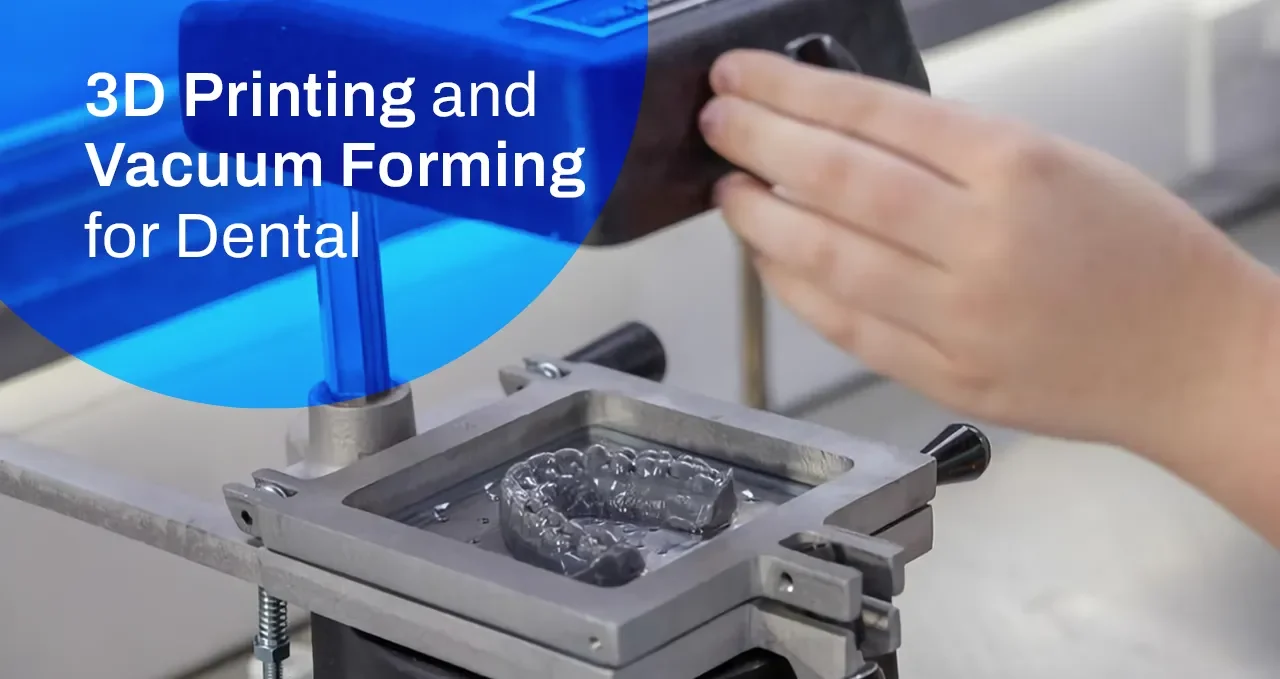
The integration of 3D printing and vacuum molding technology within the field of dentistry has expanded the capabilities within the discipline. The ability to make precise and custom-aligners or dental molds is valuable in dentistry.
Imagine, a perfect replica of your teeth is being created from a single digital file—this is the magic of 3D printing dentistry. Creating dentures or aligners using this method is now much more accessible, but caution is required at every step.
In this article, we will discuss the entire process of 3D printing and vacuum forming, how it can be used in dental applications, and why attention to detail is also important in dental molds.
3D printing has ushered in a new era in dentistry. It can be customized faster, more accurately, and more patient-specifically than traditional molds and aligners.
But the best part is that dental 3D printing is no longer limited to large clinics or labs. Home 3D printing dental setups are now feasible. Using consumer-grade printers like the Bambu Lab X1C, you can prototype molds or aligners at home, which is perfect for experimentation and learning.
3D printing technology enhances precision and efficiencies in our treatments and the convenience it affords patients is undeniable. Compared to conventional methods, printing patient-specific solutions in our practices takes much less time, effort, and precision is greatly improved. Integrating this innovative technology into our practices is the beginning of a new era in dentistry and the growing accessibility of portable printers and the ability to print dental components in 3D allows more dental professionals to confidently push the limits of their imagination.
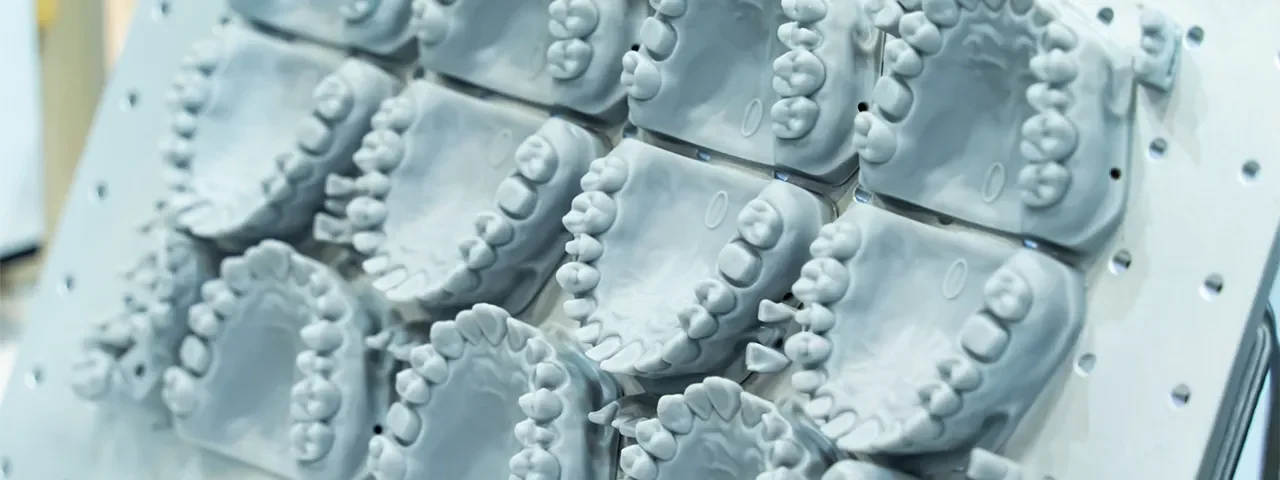
In dentistry, generating aligners or molds through vacuum forming is quite common. One of the ways to accomplish this is by fitting heated plastic sheets to 3D printed molds and this is no more than a thermoforming process in dentistry. This process also ensures accuracy to the required specifications.
In vacuum forming, PETG or other compatible plastic sheets are first uniformly heated. They are then carefully positioned over a 3D printed mold and the plastic is properly adhered to the mold by vacuum. In this step, the plastic takes shape according to the contours of the entire mold, resulting in a perfectly fitting dental aligner for you.
The most interesting aspect is that you will be able to try these Digital Dentistry tools directly and understand their application in real-time, which will help improve the quality of your treatment.
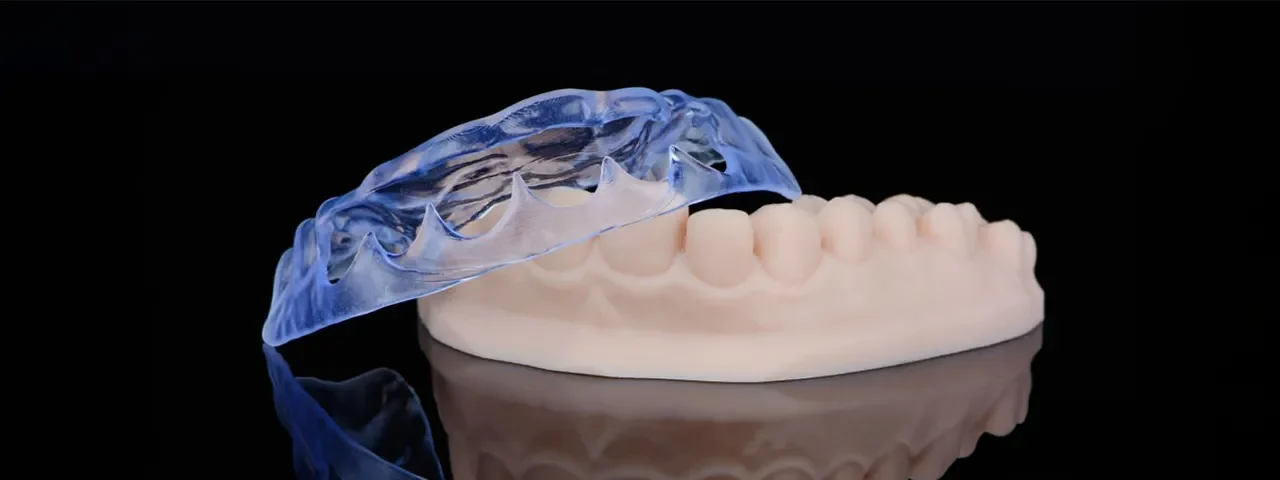
Material selection is very important here. PETG is generally preferred, as it can maintain shape under heat. PLA molds can be used to make prototypes, but PLA can deform in high-temperature vacuum forming. If the material choice is not right, fit, durability and patient comfort can be compromised. So you need to choose the material very wisely.
You will face some common challenges while doing home fabrication, such as:
All these factors affect the quality of the final dental aligner. Therefore, you need to use proper technique, material choice and careful handling.
Dental 3D scanning has set a new standard in dentistry today, there is no doubt about it. It helps in capturing faster, more accurate and patient-specific data than traditional impressions. Photogrammetry has made orthodontic planning and aligner fabrication easier by creating high-resolution 3D models of teeth. This combination makes modern dental workflows much more efficient and flexible.
Photogrammetry teeth scanning generates a 3D model using multiple high-quality images. The biggest advantage of photogrammetry is that it is pocket-friendly, readily available, and in many cases does not lag behind in accuracy. Photogrammetry teeth scanning can be used in home setups or small labs, which is very useful for experimentation and prototyping.
Traditional scanners can capture ultra-fine detail in many cases, but due to expense and bulky setup, not all clinics or individuals can use it. The model captured in photogrammetry teeth is accurate enough for daily dental aligner fabrication, and it is time-efficient and scalable.
Using CAD dental modeling software, minor digital changes (<0.3mm) to the captured 3D mesh is possible. These small changes are crucial to enhancing the patient-specific fit and comfort, and such changes are crucial.
Digital changes are used to adjust the subtle pressure points in the aligners to ensure a snug fit and proper bite maintenance in the final aligner. Guesswork in this area, especially trying to make larger changes, can be detrimental and irreversible in the movement of the teeth. Professional oversight is crucial in the use of CAD dental modeling.
Once the digital model is finalized, it is exported in STL format. This file can then be sent to a 3D printer to create a mold or prototype. The process of creating the final dental aligner begins by vacuum forming or thermoforming plastic sheets in the 3D printed mold.
This STL export and 3D printing integration workflow makes dental aligner fabrication smooth, predictable, and highly customizable. This workflow is also accessible and efficient in home fabrication or small lab environments, which is a new direction for technology accessibility in modern dental practices.
When it comes to DIY dental devices and home-fabricated aligners, safety must come first. While modern 3D printing and vacuum forming have their advantages, DIY dental and home aligners can lead to serious complications if not handled properly. For that reason, the safety of an orthodontist must always be obtained.
The risks of DIY dental aligners include the following:
The serious nature of these risks make it evident that the procedure must be handled with the utmost professional guidance.
With oversight, orthodontists understand the biological forces along with patient-specific treatment planning. Without their oversight:
Proper supervision ensures patient-specific care and dental safety.
Home-fabricated dental devices have legal and ethical considerations. In many countries, using DIY orthodontic tools may be illegal. Ethical considerations include patient safety and informed consent.
It is not just a matter of technology, but also of responsible use and patient well-being.
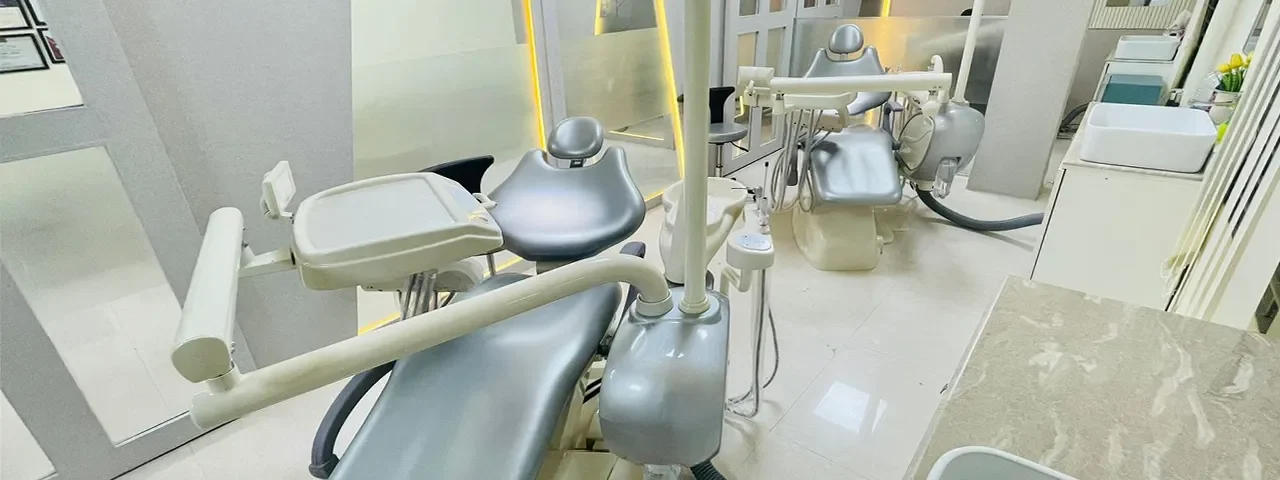
If modern dentistry and 3D printing-based treatment interests you, there are a few things to assess when you are identifying a clinic. For instance, assessing the clinic’s technology and equipment—do they possess advanced 3D printers, CAD/CAM software, and a vacuum forming setup?
Then, look for experience and expertise—how knowledgeable is the dentist or orthodontist, and are there real professional cases involving 3D printed dental aligners or molds?
For the next parameter, consider patient reviews and case studies—aim at the feedback and the before-after visual proof from prior patients. If those three components are correct, you will be treated in a professional, safe and high quality manner.
Dr. Masum’s clinic fulfills all the conditions of the best Dental Clinic. And therefore Dr. Masum’s clinic is the best and most modern dental clinic in Bangladesh.
Dr. Nurul Kabir Masum is known as a pioneer in this field in Bangladesh. He was the first to bring the Shining 3D All-in-One Digital Dental Solution to Bangladesh, which has shown a new direction to the country’s dental practice. Our clinic is known for its advanced technology and expert team. People not only from Chittagong but also from all over Bangladesh come to our clinic for modern dental treatment.
Our clinic is cutting-edge in 3D printing dentistry. Here the best quality dental 3D scanning, CAD dental modeling, and vacuum-formed clear aligners are made, which are patient-specific and highly accurate. Our state-of-the-art equipment and skilled orthodontists ensure that every treatment is safe, comfortable, and predictable.
If you are looking for the best 3D printing dental treatment, top-notch clear aligners, and expert orthodontic care, then Dr. Masum’s Dental Clinic is the perfect choice for you. You won’t find the combination of technology, expertise, and patient care anywhere else.
Accurately designed, patient-specific treatments are no longer the future—they’re the present. The process of constructing dental aligners, crowns and dentures is fast and comfortable with the use of 3D printing and vacuum forming in modern dentistry. The combined applications of 3D printing and vacuum forming in dentistry are clinically effective and they strengthen the patient’s long term dental health.
To take advantage of this modern technology in Bangladesh, you can contact Dr. Masum’s Dental Clinic, Chittagong.
3D printing dentistry is a technology where a dental aligner, crown, or mold is printed directly from a digital scan. It eliminates the hassle of taking a traditional mold and provides fast, accurate, and patient-specific results.
Vacuum forming involves placing a hot plastic sheet over a 3D printed mold to create a perfect fit aligner. It is simple, inexpensive, and each aligner can be customized to the patient’s teeth.
Home 3D printing dental setups can be used for small prototypes or learning, but for actual treatment, supervision by an orthodontist is essential. Incorrect printing or sizing errors can damage teeth.
3D printed clear aligners are clear, removable, and comfortable. It does not look like traditional braces, so it is better from an aesthetic point of view. At the same time, it can give faster results if used correctly.
Dr. Masum’s Dental Clinic, Chittagong has brought the Shining 3D All-in-One Digital Dental Solution for the first time in Bangladesh. Here, 3D printing dentistry, clear aligners and advanced scanning are all available together – at international standards.

Stay connected with us on social media for the latest updates, offers, and more. Join our community!
Momtaz Height (3rd Floor), Beside to NCC Bank, Opposite to Islami Bank, Boropol Moor, Halishahar, Chattogram
+880 1778 912823
Copyright © 2026 by Dr. Masum’s Dental Clinic | All Rights Reserved. Powered by Marketing Bee