
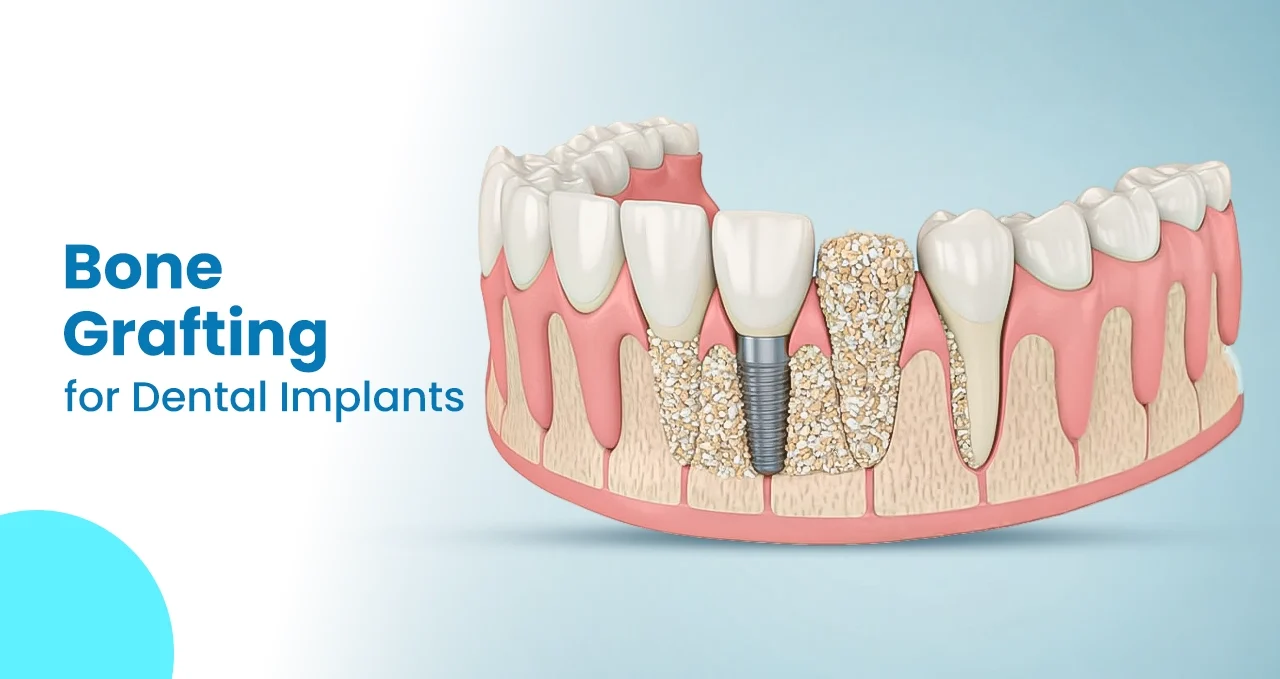
A patient comes in after losing a tooth and asks about a dental implant. Then they learn there may not be enough jawbone to support it. Some patients need bone grafting before dental implant placement, particularly when tooth loss has reduced the available jawbone.
The fix here is bone grafting. The graft material is placed in the area where the jawbone lacks sufficient volume. The graft is given time to heal and integrate with the surrounding bone as new bone forms. Once it’s dense enough, the implant finally goes in.
For patients in Chattogram, Dr. Masum’s Dental Clinic offers dental care. If you are considering bone grafting, ask about the available imaging options, graft materials, and treatment plan during your consultation. The same team does clear aligners, cosmetic dentistry, and root canals, no bouncing between three specialists.
It’s essentially putting bone back where it’s gone missing. When the jaw is too thin or too soft to grip the titanium post that anchors an implant, the dentist packs graft material into the gap. New bone develops around the graft over several months. Healing time varies depending on the graft type, the size of the defect, and the patient’s healing response.
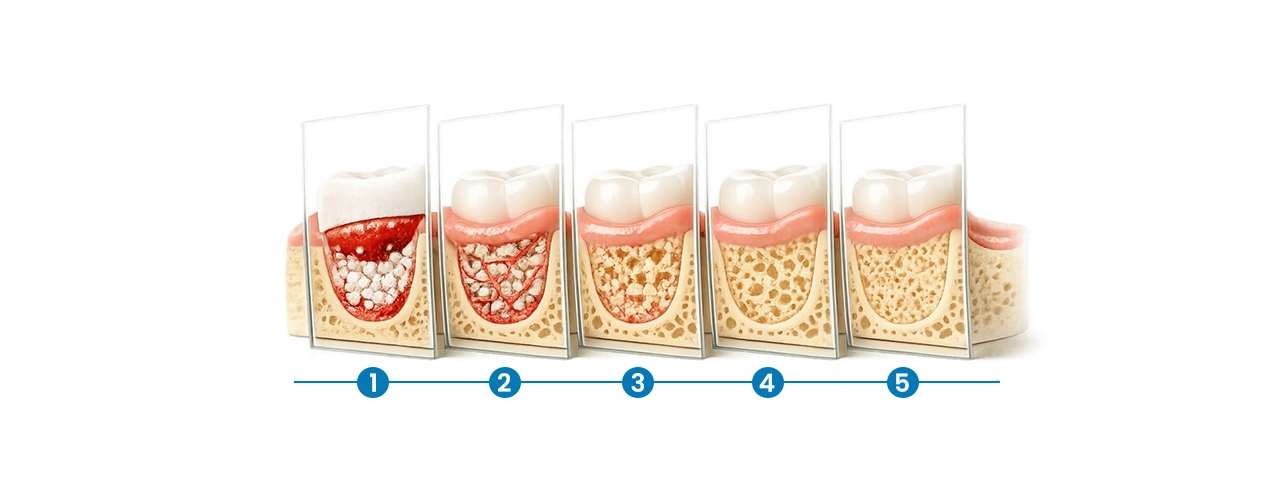
Material placed into a jaw that has worn down. The graft provides a framework that supports new bone formation. Depending on the material, it may gradually be replaced by new bone or remain integrated with the surrounding bone. Why does this matter? An implant needs adequate bone support to remain stable. Insufficient bone can increase the risk of implant complications or failure. Successful bone grafting can help create a stable foundation for an implant, although long-term outcomes depend on several factors, including oral hygiene and ongoing dental care.
For additional patient information about dental implants and how they work, visit the American Dental Association’s guide to dental implants
Dental implants need adequate bone support to remain stable. After a tooth is removed, the surrounding jawbone gradually remodels and may lose volume over time. With no load on that spot, the body stops maintaining the bone. Over time, bone loss can leave insufficient space or support for an implant. If the remaining bone is inadequate, grafting may be recommended before implant placement.
Not everyone needs bone grafting before a dental implant. It may be recommended for patients who have lost jawbone volume, have been missing teeth for a long time, or have insufficient bone around a recent extraction site.
The first is bone resorption, the jaw has thinned after a tooth was pulled. The longer the tooth has been gone, the worse the shrinkage. The amount of bone loss varies from person to person and depends on factors such as the extraction site, healing, and oral health.
The second is long-missing teeth. A tooth that has been gone for years means years of bone loss in that exact spot.
The third is recent extraction with thin socket walls. Sometimes the tooth comes out easily, but the surrounding bone is paper-thin. A graft placed at the time of extraction preserves the socket for a future implant.
A clinical examination helps assess the site, but imaging is often needed to determine whether enough bone is available for an implant. The dentist examines the area in person, and X-rays or a CBCT scan follow. CBCT provides a three-dimensional view of the jaw, helping the dentist assess bone height, width, and nearby anatomical structures. A regular dental X-ray provides a two-dimensional image and may not show the full dimensions of the implant site.
The dentist then measures what’s actually there. Enough bone? The implant goes in without grafting. Not enough? Graft first, wait, then place the implant.
A thorough dental examination can help determine the most suitable treatment for your oral health needs. Learn more about the dental care services available at Dr. Masum’s Dental Clinic
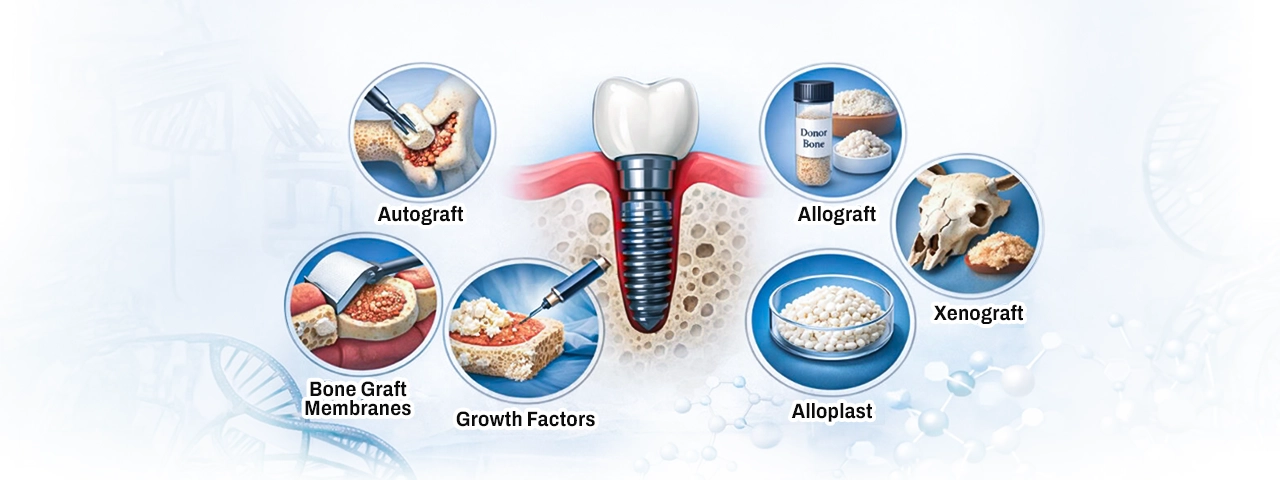
There’s no universal graft. The pick depends on gap size, location in the mouth, and what the surgeon prefers to work with.
This is your own bone. The dentist harvests a small block or particle from another site, usually the back of the lower jaw, sometimes the chin, and fixes it where the implant will go.
One advantage of an autogenous bone graft is that it contains the patient’s own bone tissue, which can support bone regeneration. However, the procedure involves an additional surgical site and carries its own risks. The downside is the second surgical site, longer procedure, slightly longer recovery, slightly more post-op swelling.
When the graft doesn’t come from you, three options are on the table.
Allograft is bone from a human donor. Human donor bone used for allografts undergoes regulated processing and safety procedures before clinical use. The exact processing methods depend on the source and product. Patients sometimes ask whether the donor’s traits come with the bone. They don’t. Bone is bone.
Xenograft is animal bone, almost always bovine. The mineral part stays; the organic part gets stripped out completely. The remaining mineral frame is what the body uses to grow fresh bone on top.
Synthetic grafts are made in a lab. Synthetic bone grafts are made from biocompatible materials, including certain calcium phosphate compounds. These materials can provide a framework that supports new bone formation.
Sounds dramatic. It isn’t. The procedure takes place in a dental chair under local anesthesia, broken into stages. Exact steps depend on graft type and gap size.
Start with an exam. Teeth and gums get a check, recent X-rays or scans get reviewed, and if more imaging is needed it gets ordered at this stage.
The surgical area is usually numbed with local anesthesia. Sedation may also be an option for selected patients, depending on their needs and the planned procedure.
Once the area is numb, the dentist lifts the gum to expose the bone. The graft material is carefully placed into the area where bone is missing Sometimes a small membrane goes over the top, holds the graft in place, stops soft tissue from creeping into the gap.
Gum gets sutured shut. The body then spends the next few months either swapping the graft out for real bone or reinforcing it.
Yes, bone grafting and implant placement can sometimes be performed during the same procedure. This may be possible when the existing bone provides enough stability for the implant and the defect is suitable for simultaneous grafting. Strict condition though, the implant has to be stable the second it’s placed. The implant must achieve sufficient primary stability at the time of placement.
If the bone is too thin or too short to make that work, the graft goes in first. The implant waits. This is called staged treatment, and it’s the more common route, especially for back teeth in the upper jaw.
The body needs time after the graft goes in. New bone has to grow into and around the graft material, until the area gets solid enough to drill into for the implant. Everyone heals on a different clock, graft type, defect size, and how fast your body builds bone all affect it. Plan for three months minimum, sometimes pushing past six for larger grafts.
The first two or three days are the worst. Swelling peaks around day two or three and then begins to fade. Some mild pain is normal. Bruising on the cheek or under the jaw can show up and last a week. Bruising may also appear on the cheek or under the jaw. Its appearance can be more noticeable than the discomfort it causes.
Patients are told to keep the area clean and leave it alone. Avoid disturbing the graft site, and follow your dentist’s instructions about rinsing, spitting, brushing, and other oral hygiene practices during the first day after surgery. Soft foods are often recommended during the initial recovery period. Your dentist can also advise you on when to use cold or warm compresses.
Most grafts heal without trouble. But it’s surgery, and surgery brings risk.
The most common complication is infection at the graft site. Patients sometimes also see bleeding that won’t stop after the first day, which is a red flag. Swelling that gets worse instead of better after day three is another sign something is wrong. In some cases, the graft may fail to integrate properly or may be lost because of complications such as infection or wound breakdown. Nerve injury is rare but possible in the lower jaw, where the nerve runs close to the bone.
Contact your dentist if pain or swelling worsens instead of improving, bleeding persists, or you develop a fever. Prompt assessment can help identify and address complications.
Implants usually can’t go in on the same day as a major graft. The graft has to heal first, it has to turn into solid bone fused to your own jawbone before anything gets drilled into it.
How much bone had to grow back decides the wait. When grafting is performed at the same time as implant placement, the implant can begin healing in the existing bone while the graft integrates. The overall healing period depends on the procedure and the dentist’s assessment. A larger graft, say, building up the back of the upper jaw where the sinus sits, can take six to nine months. Sinus grafts are the slowest because the bone there is naturally spongy and thin to begin with.
The next step isn’t guesswork.
Follow-up X-rays or scans will reveal how dense the new bone has gotten. Once that bone looks solid on the image, the implant can go in.
A few things push the timeline longer or shorter.
The amount of bone loss matters, a bigger defect takes longer to fill in. The graft type matters too. Healing time varies with the graft material, the size and location of the defect, the surgical technique, and the patient’s overall health. Location in the mouth matters. The upper jaw heals slower than the lower jaw, and bone near the sinus takes extra time.
The patient’s healing response matters a lot. Some people build bone quickly. Smokers, diabetics, and older patients build it more slowly. Smokers see roughly double the failure rate of nonsmokers, which is why every graft patient is told to quit for at least the healing period.
When the jawbone shrinks after tooth loss, there may not be enough bone left to anchor an implant. Bone grafting puts back the missing bone, giving the implant something solid to grip. Graft type, procedure, and healing time all vary from patient to patient. The right treatment plan depends on appropriate imaging and a thorough clinical evaluation by a dentist. If implants are on your mind, book a consultation. If you’re considering dental implants, book a consultation to assess your jawbone and discuss the most suitable treatment options.
No. If the jawbone is wide and dense enough to hold the implant, no graft is needed. The dentist uses clinical examination and appropriate imaging to assess whether enough bone is available.
When a tooth is lost, the bone around the empty socket shrinks. Without sufficient bone, the implant has nothing to grip. Grafting rebuilds the missing bone.
The area is numbed with anesthesia during the procedure, although some discomfort may occur during recovery. Some swelling and discomfort are common during the first few days after surgery. Recovery varies, and complete healing takes longer than the initial recovery period.
Anywhere from three to nine months. Small grafts heal faster. Bigger grafts in the upper jaw near the sinus take longer. Decisions are made based on follow-up scans.
Sometimes. If the implant is stable in the existing bone the moment it’s placed, a small graft can go around it. When bone is too thin, the graft has to heal first.
For recovery, always follow the dentist’s instructions. Soft food for the first week. Don’t poke the site. Don’t smoke. Keep the follow-up appointments, they’re how the dentist catches problems early.

Stay connected with us on social media for the latest updates, offers, and more. Join our community!
Momtaz Height (3rd Floor), Beside to NCC Bank, Opposite to Islami Bank, Boropol Moor, Halishahar, Chattogram
+880 1778 912823
Copyright © 2026 by Dr. Masum’s Dental Clinic | All Rights Reserved. Powered by Marketing Bee